Recently, after the insane threats of nuclear weapons from Russia, posters have appeared in public places in American cities with instructions in case of radiation hazard.

Although people are already driven crazy by constant, increasingly worse news that is often exaggerated, even the worst-case scenarios should simply be considered as service information. If we know what kind of disasters can happen to us in life, it doesn’t mean we have to constantly think about them. But it’s important, for example, to know the number for emergency services and how to provide first aid to our loved ones until professional rescuers arrive.

It is understood that people in our country, which not so long ago experienced all the horrors of war, are sensitive to the possibility of aggression. But then we learned that shelters are not an unnecessary investment that interests only some preppers (prepper – a person who intensively prepares for an imminent cataclysm or the collapse of civilization, and plans a way of survival), but a useful thing that can save our lives.

The danger of radiation is a good practical example of the importance of the proper application of the warning system. If, for example, danger sirens start wailing in the middle of the night, this does not mean that you should immediately run out of the house and see what is happening, but first get well informed through verified sources and credible media – what the danger is and what we should do. The Americans thus wrote three short instructions to their citizens on posters:

In case of radiation hazard:

  1. Take shelter indoors.
  2. Stay inside.
  3. Listen to official information.

It is therefore clear that in the event of a fire, one should quickly leave the room, in the event of radiation, enter the house, and in the event of an earthquake, first take shelter where we are, and then go outside, being careful of possible collapse. It’s not bad to rehearse such scenarios or at least talk about them with your housemates.

It is also worth noting that every first Saturday of the month at noon in Croatia, a test of the alarm system is held. For example, it would be good for visitors to Zagreb to know that at noon when the cannon is fired on the famous Lotrscak tower and then the sirens sound – they should not immediately rush to the shelters.

In addition to panic, it is even more dangerous to take medicines such as tablets of stable iodine (potassium iodide) on your own, as after the Russian announcement of the possible use of atomic weapons there was a rush to pharmacies in our country and looking for pills. Namely, they should be taken exclusively according to the instructions of the doctor or competent institutions and only in certain cases (depending on the distance from the radiation source, the age of the patient, contraindications and other details), because otherwise they can cause serious health problems.
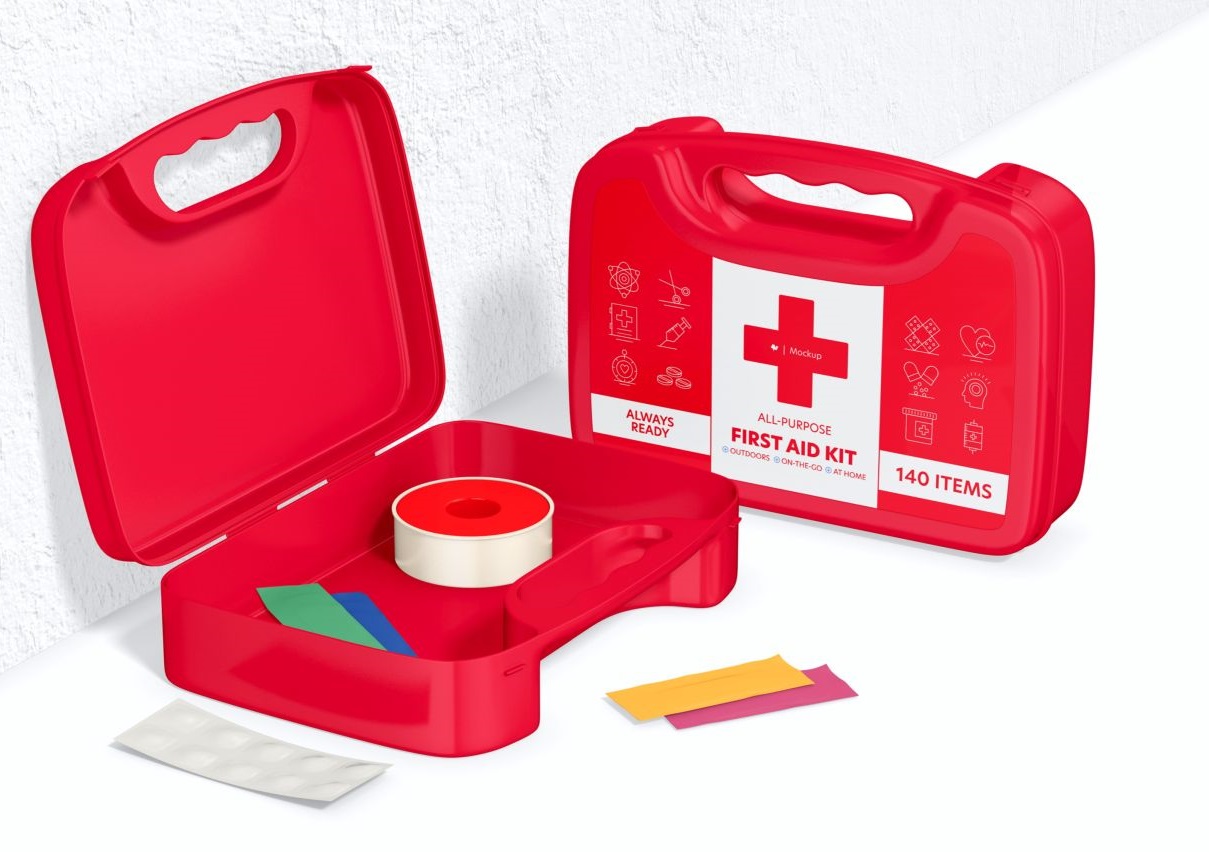
In Croatia, most of us still don’t have a serious first aid kit at home. Although there are no recent studies on households’ readiness with first aid kits, according to available data, a small number of households in Croatia have taken basic measures to prepare for providing first aid in case of accidents at home.

All of us have standardized first aid kits (in Croatia that is norm HRN 1112) in our cars, regulated by laws (Road Traffic Safety Law) with prescribed penalties (otherwise we wouldn’t have them at all). It’s a different story at home. Home medicine cabinets often contain expired drugs, old first aid materials that are no longer sterile, or are incomplete.

On the other hand, there is no real choice of ready-made home first aid kits on the market (there are quite expensive kits for occupational safety), and what is available is often overpriced or poorly assembled. However, there are exceptions, and recently one well-known retail chain introduced a small, multi-purpose first aid kit to the market, priced at only 5 Euro. Even professionals do not always agree on the content of a home first aid kit, but it generally consists of similar contents.

  • Home first aid kit:
    Current medicine therapy you use
    Box of aspirin
    Thermometer
    Regularly check and replenish the kit as needed
    Check the expiration date and replace expired products
    First bandage 12 cm x 5 m with a pad 12 cm x 16 cm
    First bandage 8 cm x 3 m with a pad 9 cm x 11 cm
    Sterile hydrophilic gauze (10 x 10 cm)
    Calico bandage 8 cm x 5 m
    Calico bandage 4 cm x 5 m
    Bottle of disinfectant
    Bottle of hydrogen peroxide
    Aluplast for burns 80 cm x 50 cm
    Cold pack
    Sterile gauze pad 5 cm x 5 cm, 16 layers
    Sterile gauze pad 10 cm x 20 cm, 12 layers
    Band-Aids 10 cm x 8 cm, 5 pieces
    Self-adhesive tape 2.5 cm x 5 m
    Triangular cloth 100 cm x 100 cm x 140 cm
    Safety pins, 10 pieces
    Packet of sanitary cotton
    Scissors with rounded tip, 1 piece
    Disposable gloves (PVC)
    Rubber band for tightening
    Metalized polyester foil 150 cm x 200 cm
    Protective foil for artificial respiration
    List of contents of the home first aid kit
    Reminder for providing first aid

On the global market, there are general and specialized first aid kits like General home kit, travel and hiking, kit for the sea (boats), for burns, for traffic (car, motorcycle, or boat), etc.
So we will describe examples on those product as well.

Amog other things we are preparing review of the professional kits used by Emergency medical services, Croatian Mountain Rescue Service, Firefighters, Civil Protection and other emergency professionals.

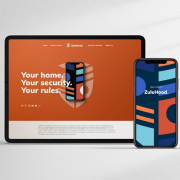
The Croatian app Zuluhood, developed by the company Brombul, has become a global security hit. At the largest electronics trade show in the world in Las Vegas, the mobile app was presented as the “Uber for home security.”

This Croatian app is unique in that it offers a new way to ensure the safety of your home and family, allowing you to quickly and easily order the services of security guards or even utilize “your own forces” for your security needs.

With just one click on your mobile phone, you can order a home check service while you are away, conduct quick crisis communication within your family, or ask your friends for help in an emergency. When danger arises, your family becomes an organized Tribe, aided by trusted individuals called Watchers within the app, who can check what’s happening and even visit your apartment, house, or vacation home and send you a report.

Depending on your existing security equipment and preferences, licensed professional security guards can be hired to carry out these tasks, even appearing in the middle of the night, for example, to check your seaside vacation home, send you reports and photos, and, if necessary, protect the location until you arrive. Conversely, when you’re on vacation, someone can keep an eye on your apartment.

You can easily download the free Zuluhood application on your mobile device and simply register yourself, family members, and if desired, trustworthy friends, neighbors or other individuals. Currently in Croatia, you have access to professionals from three security agencies whose services may be needed in emergency situations, as well as for organizing events such as parties, weddings, and other occasions where discreetly maintaining order is necessary. Nevertheless, engagement of securitty companies through Zuluhood in other countries will be avelable as soon as possible.

If you already have security systems such as cameras, sensors, or other devices from the “smart home” category, you can include those features in the unified Zuluhood system among you, members of your “tribe,” your assistants, as well as professional security personnel, in such a way that you can quickly respond in case of need, rather than only later discovering that someone has caused you harm.

New practical services are also being prepared for this application, such as caring for elderly persons, and we will test all the possibilities and publish the results on the Sigurno.info website. You can find more information about the application HERE.

Disinformation is becoming one of the most significant security threats today.

Reliable information is extremely important for all security topics. When it comes to dealing with crisis situations, it is often said that the three most important activities are: 1. Planning and preparation, 2. Equipping and securing the conditions for protection, and 3. Truthful and credible information about the situation.

At first glance, it is easier today to obtain detailed data on any topic than ever before. However, the flood of fake news, intentional or accidental errors in the transmission of information, large amounts of half-truths and lies, which are present in all areas, has spread so much that it is necessary to invest a lot of effort, time, resources, and often the latest technology, to get to the real truth.

Special warfare methods and techniques (terms such as hybrid, cyber, and psychological warfare) are increasingly present in the public space, used today to create false images in the public that are sometimes needed by frequently mentioned but rarely defined “centers of power”. However, due to the availability of modern technology that has enabled mass communication at low cost, sometimes there are banal reasons for disinformations, in some cases groups and individuals hungry for power or achieving some low-minded daily goals, but it is often just – plain human stupidity.

The problem is that it is not always easy to determine the true background of the information we receive, so various computer tools, software, artificial intelligence, and entire professional organizations for fact-checking are increasingly being used. Of course, after checking the credibility, the organizations that perform the media content check are under attack, accused of manipulation, and the story revolves in a cycle of eternal mutual accusations.

A special problem is the occurrence of false information in extraordinary situations such as the appearance of new infectious diseases when multiple verified scientific information is not yet available, or even experts themselves disagree on ways to solve the problem. Everyone is shouting “Fake news!” at each other. This is enough for confusing and contradictory information to accumulate in the public, and people do not know who to believe.

Recent analyses of communication experts speak of the phenomenon of an “infodemic” (a term derived from the words information and epidemic), which is today also described as the occurrence of spreading of dangerous disinformation that can have serious consequences for the health and even existence of people.

Given the seriousness of the situation, more and more scientists are being included in the analysis of credibility, speaking about types of information disorders, the differences between intentional disinformation, unintentional misinformation, and malevolent misinformation with the intention of causing harm. The most well-known cases that are still the subject of analysis today include the Brexit campaign for the UK’s exit from the EU, presidential elections and manipulations that led to the insurrection and breach of the US Congress, as well as misinformation about the pandemic, and no less the current aggression against Ukraine, in which a wide-ranging intelligence global war is being fought with information and disinformation alongside military conflicts.

However, no matter how serious the topics on safety portals may be, it is important to maintain a positive attitude and not allow saturation with negative information, fear, and constant worry, because this can also have (and already has) negative consequences on the quality of life, but also on an appropriate response in situations where a “cool head” is needed.

Therefore, this is not about a “crime chronicle” with exclusively bad news, but rather the opposite – an attempt to objectively inform and calm people, but also to teach them to think calmly and make the right decisions in critical situations, even when it is not easy to mantain self-control.

It is especially important not to scare children and young people, and to present all conversations about negative topics in the right way through play and entertainment, as well as tailored to their age, so we are preparing appropriate content for them. Until then, try to carefully check every piece of information related to your safety.

Among the best survival equipment lists have always been detailed military manuals.

Hikers, hunters, and all those who frequently spend time in nature already know how to survive in adverse conditions. However, it is well known that the military has elaborately developed procedures and written instructions for all situations and survival in all circumstances. Although you can find other short instructions on emergency kits on our pages, this is a compilation of various survival kits based on standard military instructions.

Military survival kits usually consist of several parts, which can be used separately or all together. It is clear that under normal circumstances, you cannot carry a backpack with survival equipment with you all day, and it does matter how heavy each part of the kit is, what small items you can always carry with you, and what to keep in your home or car. Therefore, planning is essential.

Parts of military survival kits:

1.Types of bags

The bag should be large enough to fit all parts of the kit, yet not too big and heavy to carry. It should be waterproof and easily accessible in case of a quick exit. Of course, there are also smaller bags that can be worn around the waist, in a business bag, or in a car, depending on the purpose and circumstances.

2.Water

This topic includes information on possible sources of drinking water, basic equipment for collecting, carrying and purifying water, and a range of products available on the market, about which more information, tests, and recommendations based on military standards will be provided on our website in the future.

3.Fire

For heating, drying clothes, and preparing food, a kit should include a lighter, waterproof matches, a striker, and similar ignition tools, as well as a magnifying glass that can also be used to start a fire on a sunny day. Study what can be used as fuel, how to start a fire in the absence of tools, and what else can help when you need a fire.

4. Shelter

The primary shelter is actually the clothes you have, and it is important to know how to choose a place to shelter, types of shelters, as well as natural shelters. In survival gear, an important part is preparing a shelter, such as a tent wing or nylon protection of the same purpose, climbing ropes, raincoats, lightweight blankets, but also auxiliary tools such as a stronger hunting knife, an ax or machete, a lightweight mosquito net, wire saw, and similar equipment.

5.Food

In addition to the usual part consisting of long lasting cans, energy bars, and similar products, the kit should also include eating utensils (military sets with utensils and a canteen are good), can openers, as well as equipment such as fishing hooks, aluminum foil, plastic bags, and other small items that can be used to prepare and store food in field conditions. Of course, instructions on how to survive without any prepared food and being forced to hunt, fish, and use other food sources that we used long ago, as well as ways of choosing and preparing food to avoid poisoning, are important as well.

6.Medicine

In addition to first aid kits whose contents we have described HERE, useful items include tablets for food poisoning or infections, lip balm, safety pins, tablets such as ibuprofen or aspirin, soap, disinfectant wipes, and similar products. However, it is also important to know how to recognize symptoms of health problems, take care of basic hygiene in nature, the importance of physical and psychological rest in stressful situations, as well as know the basics of providing first aid.

7.Communication

This part of the emergency kit includes equipment that can call for help, such as a mirror (for signaling), battery-powered flashlights with strobe lights, a whistle, signaling flares, etc., and of course, all available telecommunications equipment, mobile phones, handheld radio stations, and anything else that can help you to communicate in crisis communication.

8.Other

Strong adhesive tape (Duct tape), a compass, topographic maps, a notepad and pen, a needle and thread, money, spare glasses, and anything else that can be useful are usually found on lists used by both the military and civil organizations.


However, in all the equipment mentioned, which, of course, you can change and adapt to your needs so that it can also serve you when you are not in danger, it is important to practice survival techniques and learn to use the equipment that is available to you at the time. In addition to wilderness survival and navigation skills, it is good to inform yourself and try techniques for self-defense, navigation, basic Morse code, and to refresh your knowledge of first aid and other skills that are used by the military and rescue teams. Details on the military equipment and recommendations, as well as experiences of soldiers who have been through serious crisis situations, will be brought to you soon.

The fire and tragedy at a Swiss ski resort—where, in a country otherwise known for strict compliance with regulations, children lost their lives in a fire that appears to have occurred precisely because the rules were not followed—strike at the very core of the issues we address on our portal.

Even when appropriate rules are applied in high-risk places, that is no guarantee that something won’t go wrong. It is even less certain that someone else will protect you if you yourself have not done everything possible to at least reduce the consequences of a potential accident. It is unlikely that parents will go and inspect the venue where their child is attending a celebration to see what the conditions are like. It is impossible to predict what kind of foolish decision the venue owners might make—such as lining the ceiling with highly flammable, fast-burning material. And in a basement room, no less. Who could have imagined that someone would climb onto a friend’s shoulders and use sparklers to set the ceiling on fire? Many will say, “We did even stupider things when we were young.”

Still, if you have read the advice on our portal about behavior at events where large numbers of people gather, you could have learned how important it is to follow instructions on how to act once an accident has already occurred. It is clear that young people who are having a great time will not immediately grasp how dangerous a fire is in a room they cannot leave quickly, so they excitedly shout and record the initial fire on their phones (which at that moment could still be put out), instead of extinguishing it quickly or leaving the room.

Likewise, it is unlikely that any of the visitors, upon arrival, checked where the fire extinguishers were located or which route could be used to exit quickly. Yet these are small details that can sometimes save your life.

That is why we advise you to talk to your children before they go out. Warn them about possible dangers, even if it seems to you that they are not listening. There is a chance they will remember at least some advice and act responsibly in a dangerous situation. Read about the topics we cover on the Sigurno.info website and briefly explain them to your children at the right moment.

However, when we see reports of severe injuries that children suffer from holiday fireworks—when parents buy dangerous pyrotechnics for their children and, without any preparation, let them use devices containing amounts of explosive material comparable to a hand grenade—it is clear that, as parents, we ourselves could do much more.

(Illustration by Freepik)